Great Mothers: A Handwritten Font That Elevates Handmade Creations
It was a quiet afternoon in my studio when I first opened the file for Great Mothers. The moment I saw the font on screen, I knew it would be perfect for my next project—a set of handmade candle labels. The bold yet friendly handwritten style felt like a warm hug, and I could already picture how it would bring life to simple glass jars.
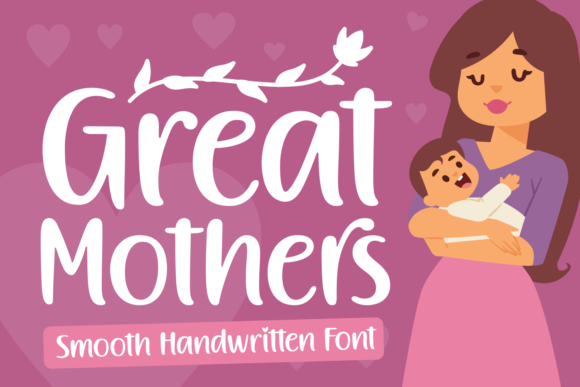
Great Mothers is more than just a font; it’s a character. Its visual personality is full of charm and warmth, with each letter flowing naturally as if written by hand. It carries a sense of authenticity that feels personal and inviting, making it ideal for any creative project that needs a touch of human connection.
Bringing Great Mothers to Life on Handmade Products
I started by designing a few mockups using Great Mothers for different products. The first was a set of seasonal candle labels—holiday tags, birthday notes, and minimalist designs. I loved how the font added a softness to the otherwise clean lines of the label shapes. It didn’t overpower the design but instead made it feel more personal and thoughtful.
Next, I tested it on greeting cards. For a birthday card, I used Great Mothers for the main message, pairing it with a clean sans serif font for the address and date. This combination gave the card a balanced look—playful yet professional. It also worked beautifully for wedding invitations, where the handwritten feel helped create an intimate and romantic atmosphere.
When I moved to packaging design, I realized how much impact the font had on the perceived quality of the product. Using Great Mothers on boutique tags and product boxes made everything feel more curated and intentional. Customers seemed to notice the detail, which boosted their confidence in the brand.
Using Great Mothers Across Different Media
The versatility of Great Mothers is one of its greatest strengths. Whether I’m working on digital downloads or physical products, this font adapts well. I’ve used it for printable wall art, where the bold script adds a dynamic element to minimalist backgrounds. It also works well for planner pages, where the friendly handwriting gives a sense of approachability and comfort.
For stickers and small cutouts, I found that the readability of Great Mothers remained strong even at smaller sizes. This was especially important for creating label sheets for mugs, shirts, and tote bags. I made sure to test the font on different materials and surfaces to ensure that it always looked crisp and clear.
When it came to shop branding, I paired Great Mothers with a simple serif font for headings and body text. This created a nice contrast and helped maintain a cohesive look across all my marketing materials, from social media graphics to website headers.
Design Tips for Working with Great Mothers
If you’re planning to use Great Mothers for your own projects, here are a few tips to keep in mind:
- Check for alternates and ligatures: Some letters have alternate forms that can add variety and interest to your designs. Take the time to explore these options before finalizing your layout.
- Test on different mediums: How the font looks on paper versus digital screens can vary slightly. Always do a quick test print to ensure the design translates well physically.
- Consider spacing and kerning: Since Great Mothers has a handwritten feel, adjusting the spacing between letters can help make the text more readable and visually appealing.
- Ensure commercial licensing: If you plan to sell products featuring this font, confirm that the license allows for commercial use. This is especially important if you're selling digital templates or printables.
Whether you're crafting for your own use or building a small business, Great Mothers offers a unique way to express creativity and connect with your audience. Its natural, handwritten style brings warmth and personality to every project, helping your work stand out in a world full of mass-produced designs.
From candle labels to wedding invitations, Great Mothers has become a staple in my creative toolkit. It’s not just a font—it’s a tool that helps tell stories, build brands, and make everyday objects feel special. And that, to me, is the heart of what makes good design so meaningful.